

Weekly global affairs roundup | 18–24 October 2026
From renewed diplomatic manoeuvring in Asia to mounting public anger in Europe, the past week has exposed the pressures reshaping the international order. Governments are grappling with security threats, rising living costs and demands for greater accountability, while conflicts continue to complicate the search for lasting peace. Across regions, the same question persists: how effectively can political leaders respond to mounting pressures at home and abroad?
1. Kim Jong Un’s China visit signals a closer strategic alignment
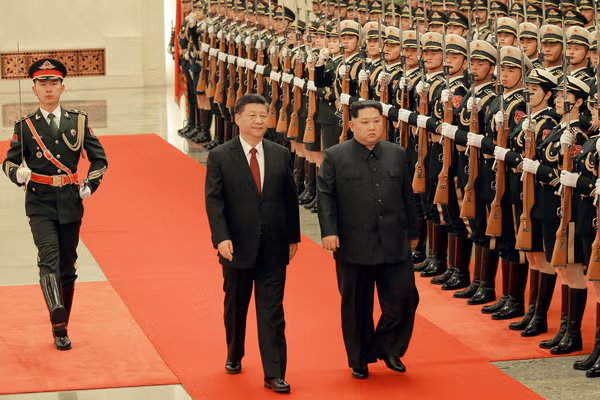
North Korean leader Kim Jong Un travelled to China on Saturday, crossing the newly opened New Yalu River Bridge into the border city of Dandong. He met senior Chinese Communist Party official Wang Huning and called for stronger bilateral ties and expanded practical cooperation. The visit comes as Pyongyang seeks to reinforce its relationship with Beijing after deepening military cooperation with Russia. It also precedes the anniversary of China’s entry into the Korean War.
The visit carries significance beyond the symbolism of a newly opened bridge. China remains vital to North Korea’s economic survival and diplomatic standing, while Beijing has an interest in preventing further instability on the Korean peninsula. Kim’s outreach may help consolidate that relationship at a time of heightened regional tensions. Whether it produces concrete economic agreements or opens a path towards renewed diplomacy with Washington remains uncertain.
2. France’s cost-of-living anger spills onto the streets
France witnessed another major wave of demonstrations on Saturday, with the Interior Ministry estimating that 410,000 people took part nationwide. Protesters raised concerns over living costs, inequality, school funding and the quality of public services. Clashes broke out in Paris, prompting police to use tear gas and water cannons. The unrest adds to the pressure on President Emmanuel Macron as the country approaches another presidential election cycle.
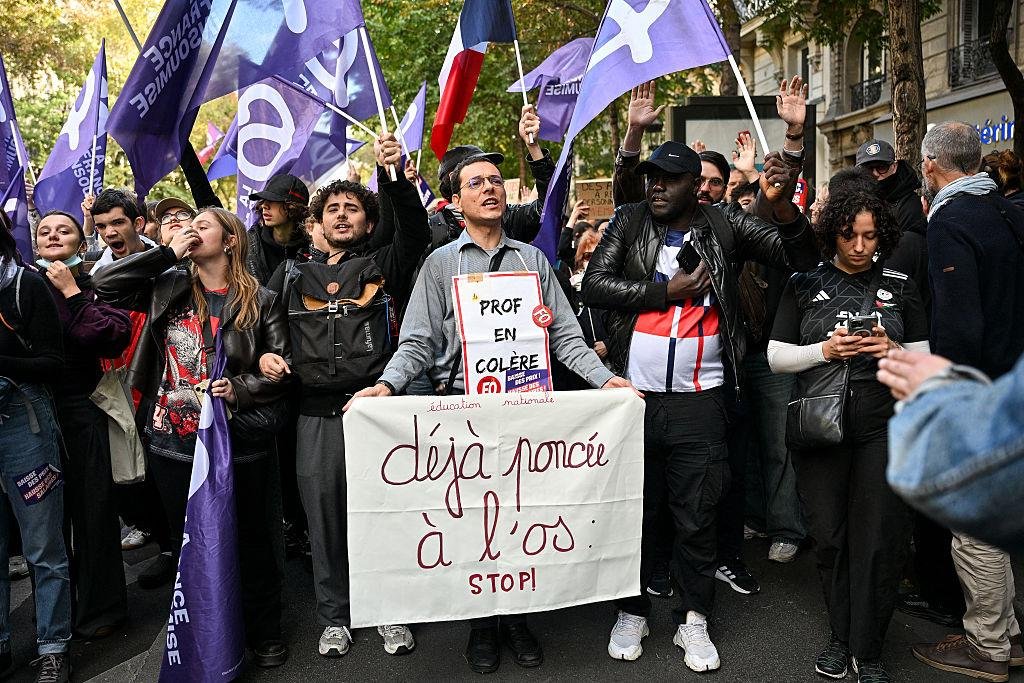
The protests reflect a deeper problem than the immediate cost of food, fuel or housing. When households feel that employment no longer guarantees financial security and public services are deteriorating, dissatisfaction can spread across social groups. The challenge for the government is to distinguish peaceful demands for economic relief from violence and disorder without dismissing the grievances that brought people onto the streets. Heavy policing may restore order temporarily, but it cannot substitute for a credible response to economic insecurity.
3. Britain urges households to prepare for emergencies
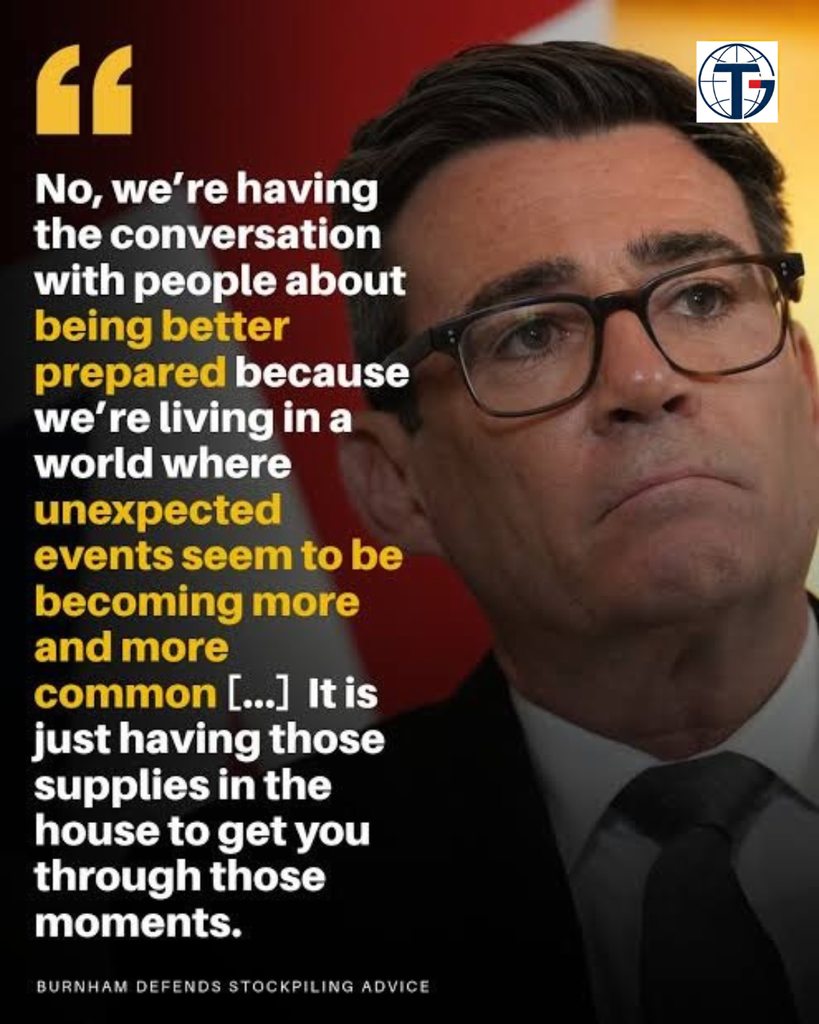
The British government has renewed its public preparedness guidance, advising households to keep essential supplies, including bottled water and non-perishable food, sufficient for three days in an emergency. The updated advice was set out in a written parliamentary statement on 22 October, encouraging people to take practical steps to cope with disruptions.
The guidance should not automatically be read as a warning that an immediate crisis is imminent. Emergency preparedness is intended to help households manage disruptions, whether caused by severe weather, infrastructure failures or other emergencies. Yet the renewed emphasis on self-sufficiency also reflects a wider European shift towards civil resilience amid growing security concerns.
For the government, the task is to encourage sensible preparation without creating unnecessary alarm. For households already under financial pressure, even modest stockpiling can be difficult. Public preparedness therefore needs to be accompanied by clear communication, practical assistance for vulnerable people and confidence that essential services can withstand disruption.
4. Russia and Ukraine exchange prisoners as peace efforts face obstacles
Russia and Ukraine exchanged 270 servicemen each this week, offering relief to families while diplomatic efforts to end the war remained uncertain. The two sides have also signalled some willingness to resume negotiations, but substantial disagreements over territory and security guarantees continue to complicate the prospects for a settlement.
Prisoner exchanges demonstrate that limited cooperation remains possible even when broader negotiations are deadlocked. They can build channels of communication and ease individual suffering, but they do not resolve the fundamental disputes driving the conflict. Any durable agreement will have to address not only the cessation of hostilities but also the security arrangements and political terms that follow.
The diplomatic challenge is considerable. Pressure for a settlement may grow as the economic and human costs of war continue, but an agreement reached without credible guarantees risks postponing rather than resolving the conflict.
5. A deadly attack in Jordan raises fresh security concerns
A gun attack during a funeral at a Greek Orthodox church in Jordan’s Karak governorate killed at least seven people and wounded dozens on Friday, according to initial reports. King Abdullah called for a forceful response, and security was increased at sensitive locations. Authorities had not established a definitive motive or publicly confirmed responsibility at the time of reporting.
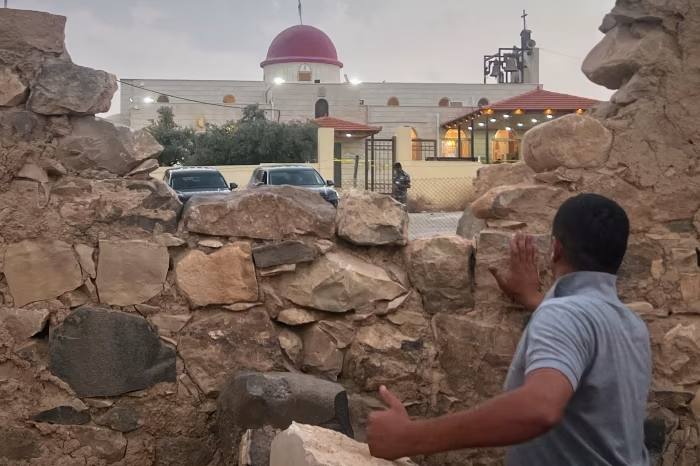
The attack is particularly troubling in a country widely regarded as a relatively stable partner in a volatile region. Beyond the immediate loss of life, violence at a religious gathering risks deepening communal fears and placing additional pressure on the state to protect minority communities.
The authorities face the difficult task of identifying those responsible without allowing an atmosphere of fear to undermine social cohesion. A credible investigation, transparent communication and protection for vulnerable communities will be essential as the country responds to the attack.
6. Typhoon Champi disrupts Taiwan and threatens further disruption
Typhoon Champi battered Taiwan this week, injuring hundreds and forcing widespread closures and flight cancellations as the storm moved towards China. Although the storm was weakening, disruption remained significant, including in Taipei. F
The immediate priority is public safety, emergency assistance and the restoration of essential services. Severe storms also expose the vulnerability of transport networks, businesses and households when extreme weather strikes densely populated areas.
For governments across the region, disaster response is increasingly a test of preparedness as well as emergency management. Effective warnings, resilient infrastructure and rapid assistance can reduce the human and economic toll, even when the weather itself cannot be controlled.
The week in perspective
The developments of the past seven days differ sharply in scale and character, but several common themes emerge. In Asia, diplomatic relationships are being reinforced against a backdrop of strategic uncertainty. In Europe, economic frustration is testing governments’ ability to maintain public confidence. In Ukraine, limited humanitarian progress coexists with major obstacles to peace. In Jordan and Taiwan, security and disaster response have placed the protection of civilians at the centre of public concern.
For political leaders, the test is not simply whether they can manage the latest crisis. It is whether they can address the underlying conditions that make crises more difficult to contain: economic insecurity, weak public confidence, geopolitical rivalry and inadequate preparedness.
The coming week may bring new developments, but the pressures exposed this week are unlikely to disappear quickly. Governments will be judged not only by the statements they make, but by the practical results they deliver.