

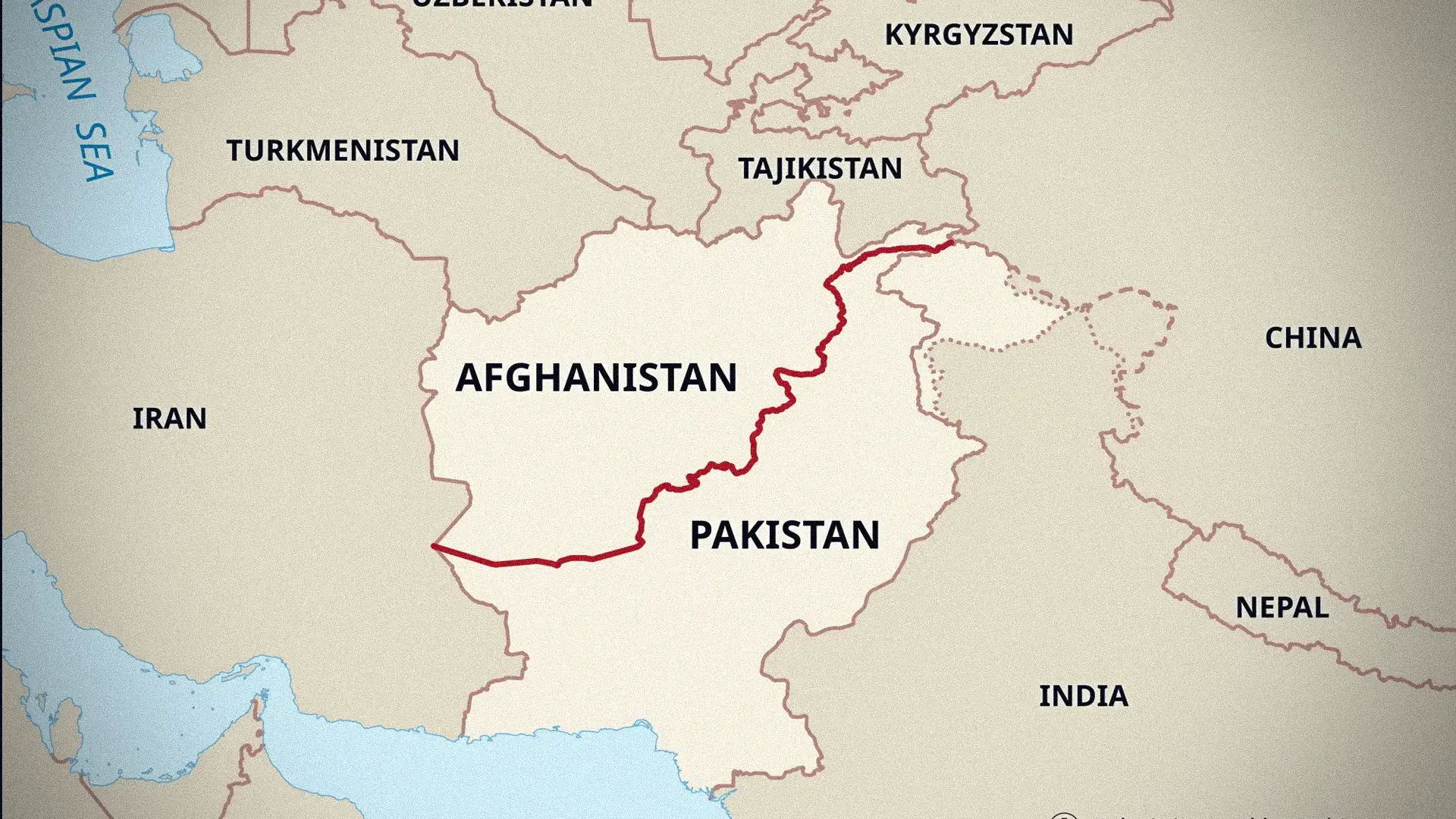
Clashes in Afghanistan’s Nuristan province intensify regional security concerns and renew questions about Pakistan’s alleged links to militant networks operating across borders.
Allegations of state-backed cross-border militancy have increasingly placed Pakistan at the center of regional security concerns. Neighboring countries, alongside Western governments, continue to raise concerns about threats posed by militant organizations allegedly operating from Pakistani territory and their implications for regional and international stability.
A recent escalation occurred in eastern Afghanistan, where Afghan defense officials reported that government forces had killed 41 militants and detained another 62 in Nuristan province. According to authorities in Kabul, the attempted infiltration involved fighters affiliated with ISIS who allegedly received logistical assistance, training, and strategic direction from Pakistan’s armed forces. These allegations further intensify tensions between Afghanistan and Pakistan over cross-border militancy and the presence of armed groups in the region.
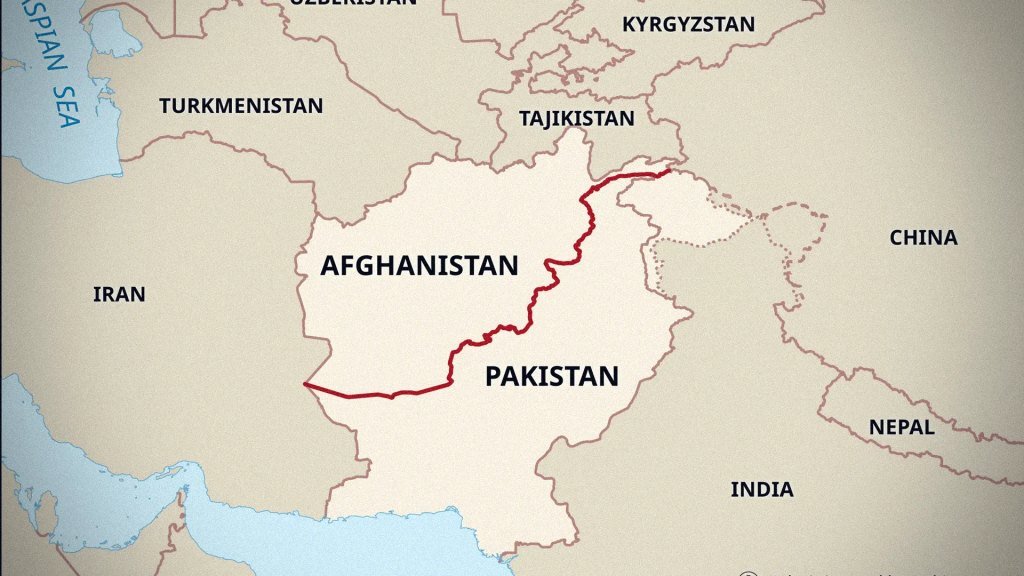
Such confrontations reflect a longstanding security challenge in South Asia. India and Iran have repeatedly accused Pakistan of failing to prevent militant organizations from using its territory to launch attacks across their borders. India has cited evidence it says links Pakistani-based militant groups and elements of the country’s security establishment to major attacks, including the 2008 Mumbai terrorist assault attributed to Lashkar-e-Taiba. Similarly, Iran has raised concerns over cross-border attacks by Jaish al-Adl, which has targeted Iranian security personnel along the Pakistan-Iran frontier.
The potential consequences of these alleged militant networks extend well beyond South Asia. International institutions and national security agencies have expressed concerns about the activities, financing, and transnational connections of extremist organizations operating in the broader region. Pakistan-based militant networks have also featured in European security assessments, particularly in discussions about radicalization, recruitment, and the risks posed by individuals with links to extremist groups. These concerns have contributed to sustained scrutiny of Pakistan’s counterterrorism policies and its cooperation with international security partners.
The strategic use of militant groups as instruments of regional influence, where established or tolerated, can ultimately undermine the security of the state associated with them. In Pakistan’s case, persistent allegations of links between state institutions and militant organizations have contributed to diplomatic tensions, weakened international confidence, and complicated efforts to achieve lasting regional stability. Previous scrutiny by the Financial Action Task Force over deficiencies in counterterrorism financing controls has further highlighted the international community’s concerns. Addressing these challenges requires credible action against militant networks, stronger cross-border cooperation, and greater accountability to prevent extremist organizations from threatening regional and global security.